

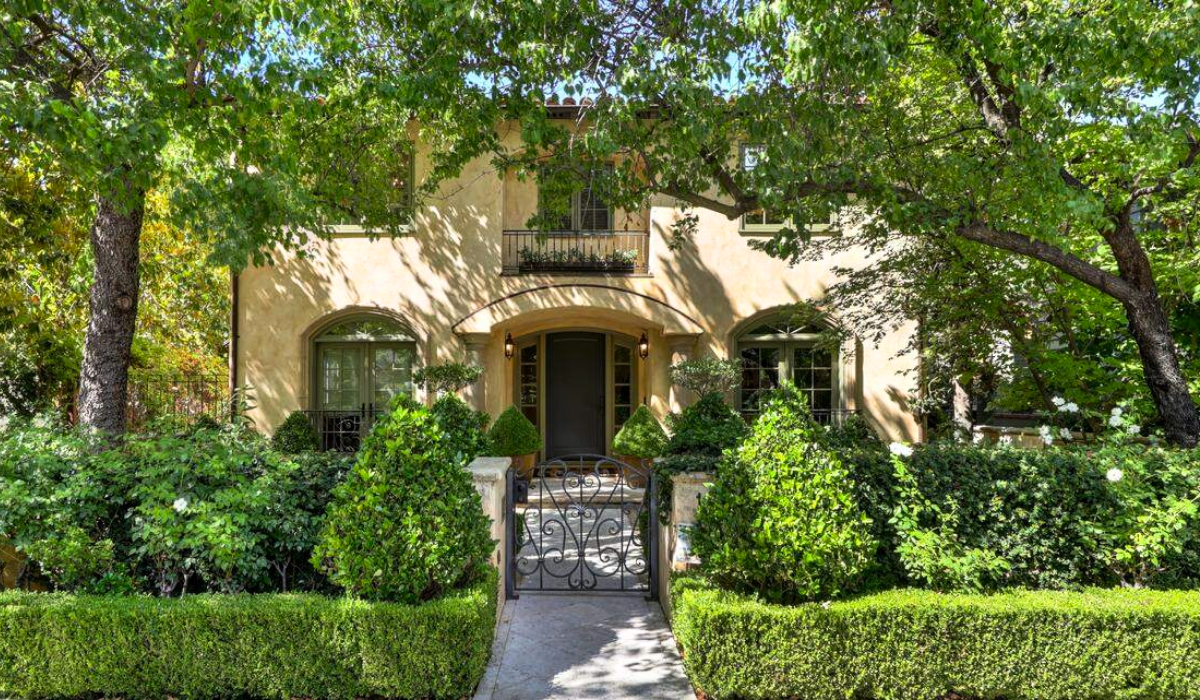
As the first signs of spring start showing up around Sacramento—from blooming trees in East Sac to bike rides along the American River Parkway—the housing market is beginning to shift as well.
Over the past couple of years, many buyers and sellers have been stuck in a “wait and see” mindset as interest rates climbed and affordability tightened. But early data from Q1 2026 suggests we may be entering a new chapter.
At The Sherri Patterson Team, we’ve been closely watching both national trends and what’s happening right here in the Sacramento region. While every local market has its own rhythm, the early data from this year highlights several shifts that could shape the rest of 2026.
Here are six trends worth paying attention to as we head into Sacramento’s spring market.
1. Navigating the New Rate Landscape
At the start of 2026, the cost of owning a home was trending
down slightly year over year. Mortgage rates settled into the low 6 percent range, with some weeks dipping close to 6.0 percent.
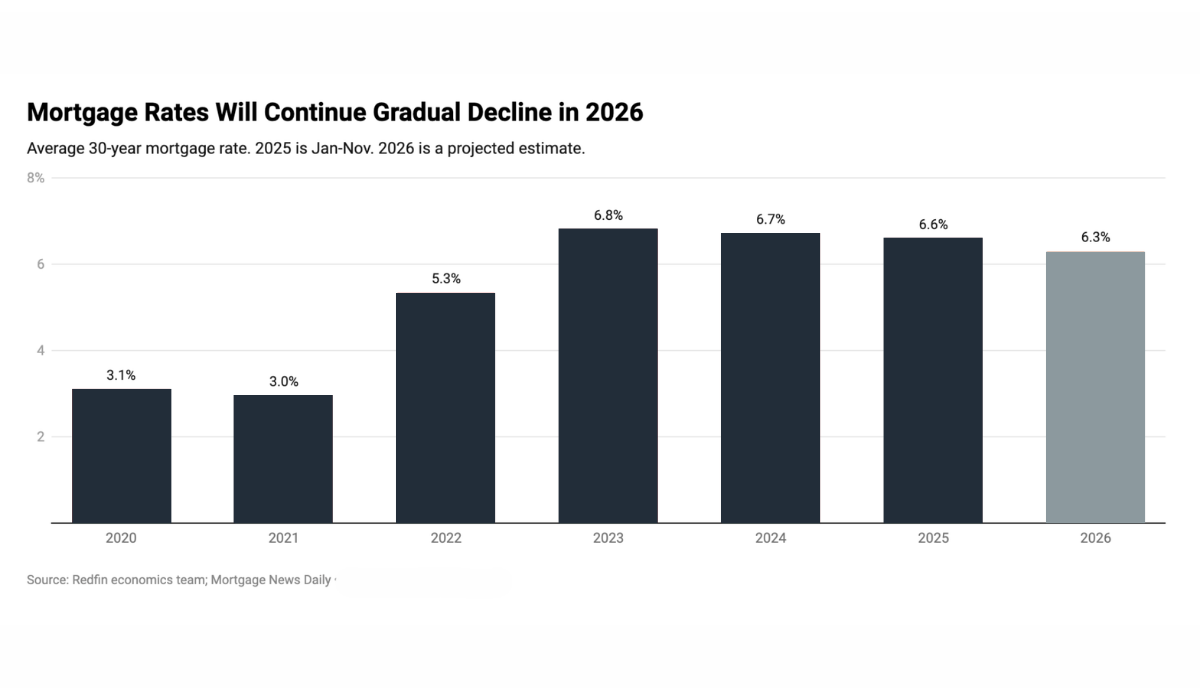
Redfin data shows the weekly average 30-year mortgage rate has been down significantly from almost 7% a year ago.
As we entered March, things took a turn. Rates jumped back up to 6.22% mid-month (at the time we are writing this article), with global conflict and inflation being two key factors that are impacting rates. The hope is that this is a temporary hike and things will settle back into the downward trend we were seeing in January and February.
Despite these recent hikes, mortgage rates remain nearly half a percentage point lower than the same time last year.
Why it matters: This isn't just a tiny dip. Nationally, the typical monthly mortgage payment is expected to fall by about 1.3% this year. It sounds small, but combined with rising wages, it means the "affordability ceiling" is finally beginning to lift. Buyers who were "rate-locked" or priced out in 2025 are finding they have hundreds of dollars more in monthly breathing room.
2. The Return of a Balanced Market
Remember the weekend bidding wars where you had to waive inspections and offer $50k over asking? Those days are largely in the rearview mirror.
Q1 data shows that national inventory is up nearly 9%. Simultaneously, homes are sitting on the market longer—averaging around 66 days.
For Buyers: You finally have the luxury of time. You can actually perform a home inspection and negotiate on repairs.
For Sellers: Your "marketing" matters again. You can't just stick a sign in the yard; you need a strategic pricing plan and staging to stand out in a growing sea of options.

3. The Generational Equity Handover
Another interesting shift happening nationwide is what some experts are calling a “thaw” among longtime homeowners.
The median age of a home seller has climbed to 64, and many of these homeowners are sitting on substantial equity after years of price appreciation. As more of them decide to move—whether downsizing, relocating, or simplifying their lifestyle—we’re seeing additional homes gradually enter the market.
For Sacramento buyers, this could mean more opportunities, particularly in established neighborhoods where inventory has historically been tight.
4. Luxury is Taking the Lead
One bright spot in the housing market this year is the luxury segment. Luxury buyers tend to be less sensitive to mortgage rate changes because many are using cash or substantial down payments from previous home sales. As a result, the move-up and luxury markets are seeing stronger activity than some entry-level segments.
In the Sacramento region, we’re seeing continued interest in higher-end properties in areas like Granite Bay, El Dorado Hills, and certain parts of the city where buyers are prioritizing lifestyle upgrades.

5. The Refi & Remodel Wave
With rates stabilizing near 6%, we’re seeing a "hidden" market surge: Refinancing and Renovating. Homeowners who bought at the peak of rates in 2024/2025 are finally hitting their "strike price" to refinance. Others are using their $35 trillion in collective home equity to stay put and remodel, keeping the local construction and design sectors busier than ever.
6. A Slow Start For Home Sales
Sales activity has been one of the less cheerful parts of Q1. Existing-home sales dipped sharply early in 2026, with one report showing an 8.4% monthly drop in January and the lowest level since late 2023. (Reuters)
But experts highlight caveats. January closings reflect deals agreed upon weeks earlier, often in winter weather that dampens activity, meaning spring could show a rebound. So, it’s safe to expect home sales to gradually improve over the course of the year as demand rebalances with rising inventory.
The Bottom Line for 2026?
The first quarter of 2026 is showing us something important: the housing market isn’t crashing—it’s recalibrating.
We’re seeing slower price growth, more inventory, and the first meaningful improvements in affordability in several years. That combination could create new opportunities for both buyers and sellers throughout the Sacramento region.
At The Sherri Patterson Team, we’re watching these trends closely and helping our clients understand how they translate to their specific neighborhood—because real estate is always local.
If you’re thinking about selling, buying, or simply want to understand what your home might be worth in today’s market, we’re always happy to talk strategy. Let’s connect and map out what the rest of 2026 could look like for you here in Sacramento.

